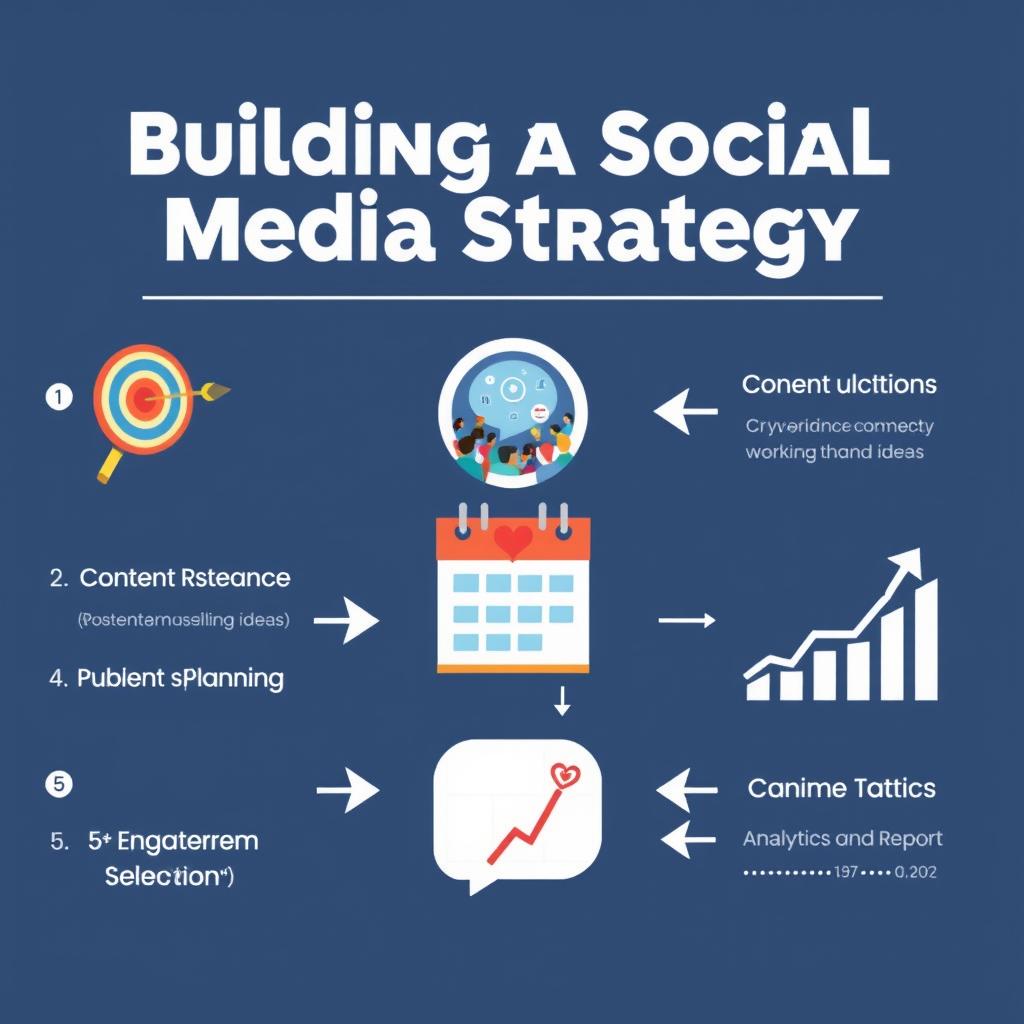
Building A Social Media Strategy

Social Media Strategy

When I first got serious about using social media for my brand, I thought posting consistently was enough. I’d show up, share a few updates, and hope for the best. But the truth is, without a clear strategy—especially one backed by goals and objectives—I was just guessing. And guessing doesn’t lead to growth. What changed

Overview of Popular Social Media Platforms

Social Media Platforms

When I first started using social media for my business, I’ll admit—I felt overwhelmed. There were so many platforms, each with its own style, audience, and algorithm. Should I be on Instagram? What about LinkedIn? Was Facebook still relevant? And then there were new ones like TikTok and Clubhouse that everyone seemed to be jumping on. It was a lot.

So I took a step back and did my homework. I looked into who was using each platform, what kind of content worked best, and which types of businesses were thriving on them. And honestly, that changed everything for me.

Understanding Social Media Marketing (SMM)

Social Media Marketing

Social Media Marketing (SMM) has become a cornerstone of modern business strategies, allowing brands to engage directly with a massive global audience. By using platforms like Facebook, Instagram, Twitter, LinkedIn, and TikTok, businesses can create and share content that boosts brand visibility, generates leads, and increases sales. The power of social media lies not only in its vast reach but in its ability to connect businesses with their target audience in real time, making it easier than ever to build relationships, foster trust, and receive immediate feedback.

Iman Pahlavi: A Modern Face of a Royal Legacy

Iman Pahlavi

Iman Pahlavi, daughter of Iran’s exiled Crown Prince Reza Pahlavi, represents a new generation of Iranian identity. Balancing royal legacy with modern life, she symbolizes cultural resilience, grace, and quiet strength within the global Iranian diaspora.

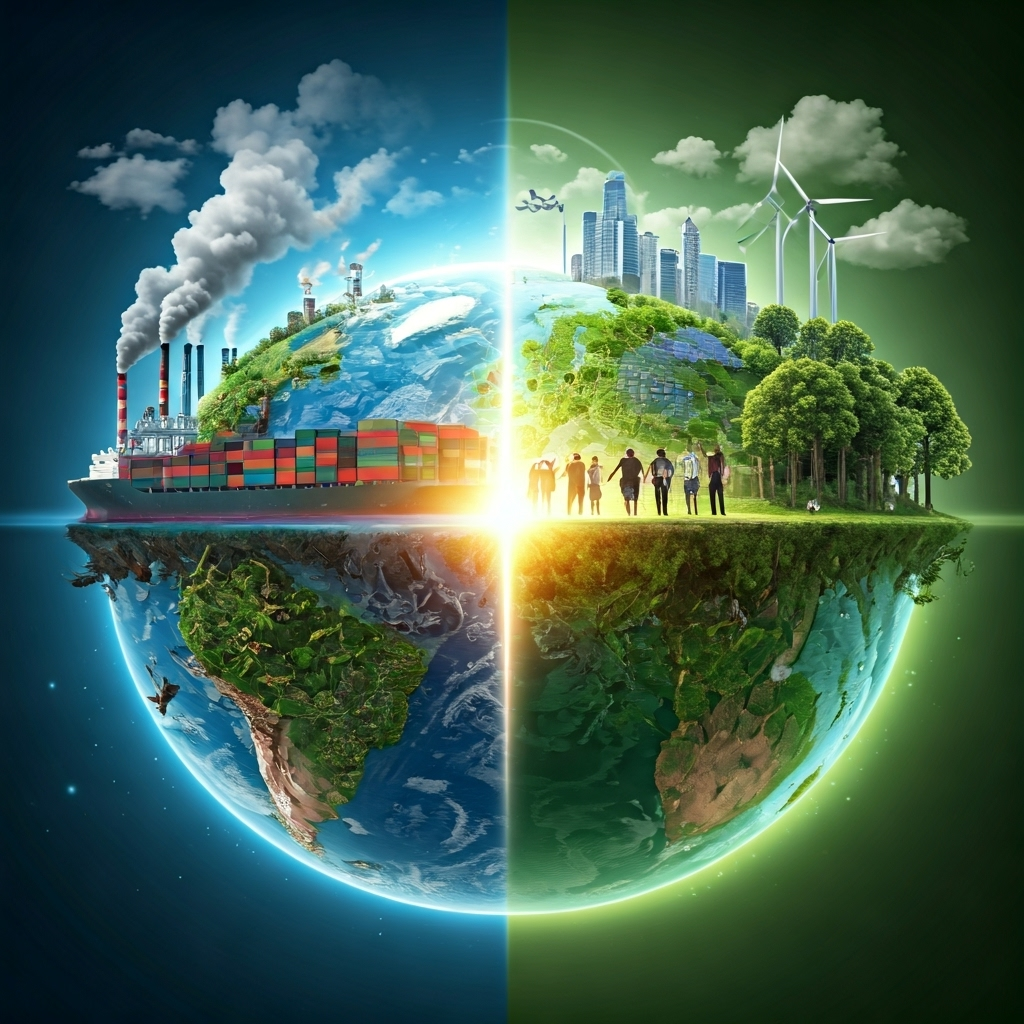
Globalization And Environmental Sustainability

Environmental Sustainability

Globalization has revolutionized the way nations interact, enabling unprecedented levels of trade, communication, and cultural exchange. However, this global integration comes with environmental consequences. As industries relocate to developing nations and transportation networks expand, pollution and resource depletion intensify. Yet, globalization also offers tools for sustainability—such as green technology transfer and international cooperation. Balancing economic growth with ecological preservation is crucial for building a sustainable global future.

Pakistan’s 2025–26 Budget: A Balancing Act Between Defence, Growth, and Reform

Pakistan 2025–26 Budget

The 2025–26 federal budget of Pakistan, totaling ₨17.57 trillion, reflects a complex balancing act between fiscal discipline, rising defence needs, and stalled economic reforms. With an unprecedented hike in military spending and ambitious tax reforms under IMF pressure, the budget has sparked mixed reactions nationwide. While the government aims for stability and growth, critics argue that the underfunding of social sectors like health, education, and climate resilience could deepen long-term challenges. This blog explores the budget’s key allocations, public response, and the path forward.